(image from NASA)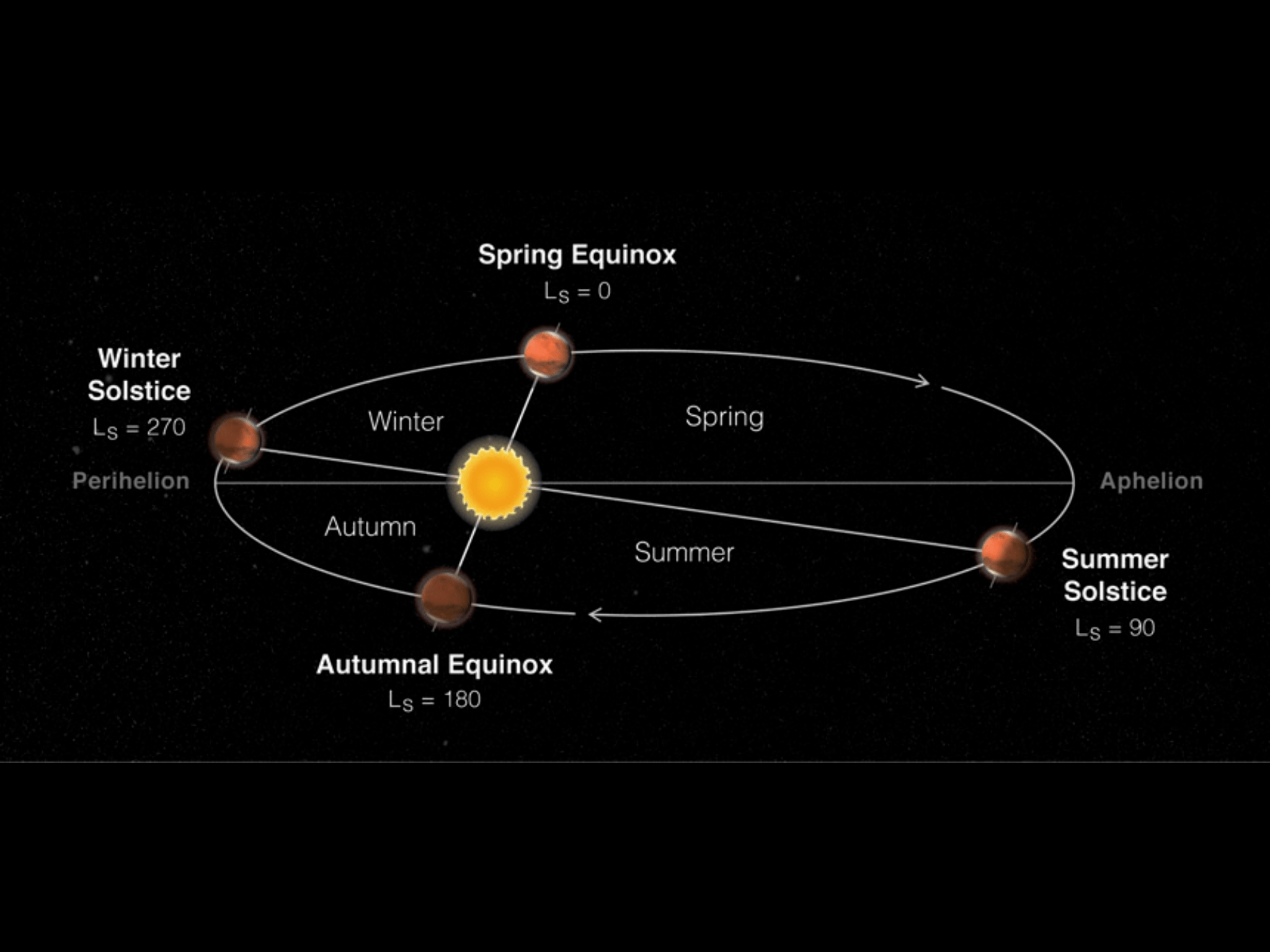
The Vernal Equinox, or Spring Equinox will happen this year on March 20th at 21.58 GMT. This is the point at which the sun moves around the equator and the Northern Hemisphere will start to tip towards the sun. The Algonquin name for the March full moon is The Worm Moon and this year it is the last of three super moons in the UK…it will coincide with the Vernal Equinox on March 21st at 01.42 GMT when it at the closest point near to the earth, the perigee. The moon will appear at 17.30 GMT in the eastern horizon on Wednesday and set Thursday at 06.30 GMT, and will look at it’s largest soon after rising.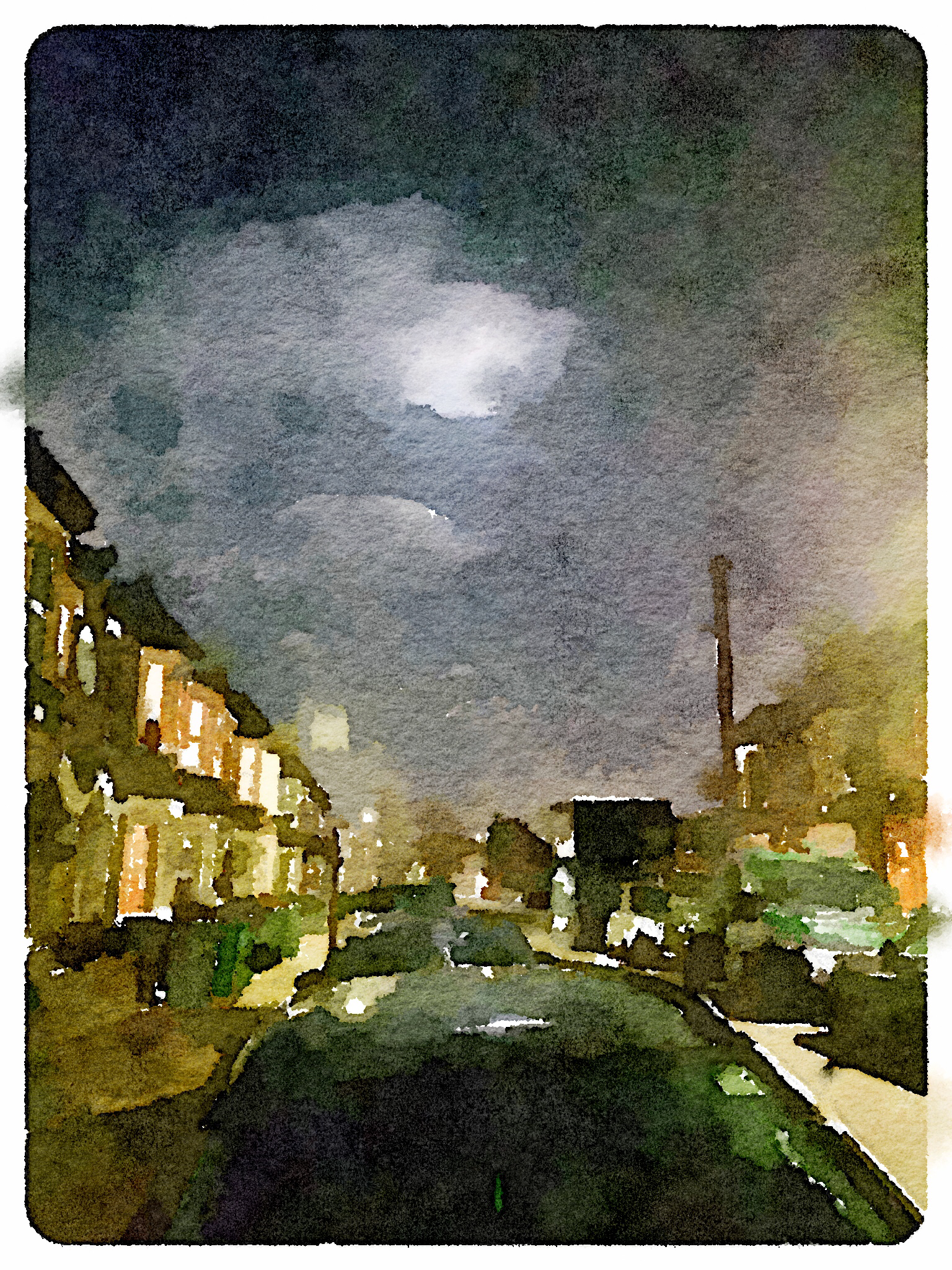
The Vernal Equinox has a long history of celebration around the world and is included in many religious or spiritual rituals. In Wiccan tradition it is known as Ostara and many rites are used to celebrate the birth of Spring, regeneration and growth. The Worm Moon symbolises the warming of the earth and the emergence of the earth worm and their casts. Planting seeds is a straightforward activity that can be used as an observance of the day. There need be no rites attached, but the outcome will be growthful, regardless of any spiritual conviction. It enacts a commonality underlining these rituals and that is of change from dark to light, and welcoming new growth and birth.

The March Hare is another feature of the mythology of this time. The behaviour of the hare has been remarked as erratic, strange and excitable during the start of it’s European mating period. This has been commented on since the sixteenth century, with especial attention by Lewis Carrol in Alice’s Adventures in Wonderland. Although it appears as if they are boxing, the female is fending off an overzealous suitor with her front paws.
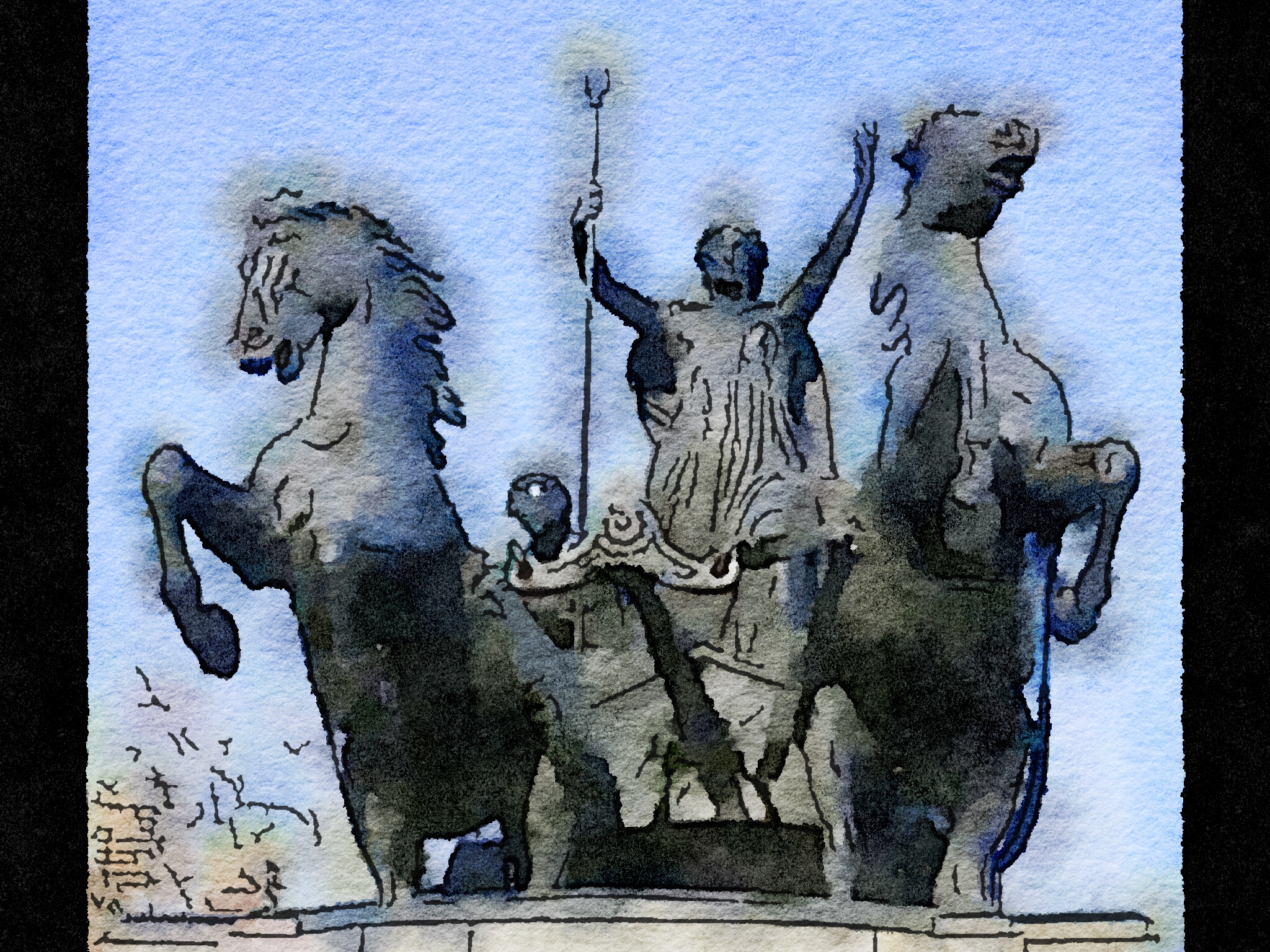
Lewis Carroll’s March Hare typifies the concept of ‘madness’ in relation to hares behaviour and it has also been used as a derogatory term for Englishness. But it is reported that Boudicca released a hare from the folds of her dress as a form of divination to lead her to victory against the Romans at the start of her campaign.
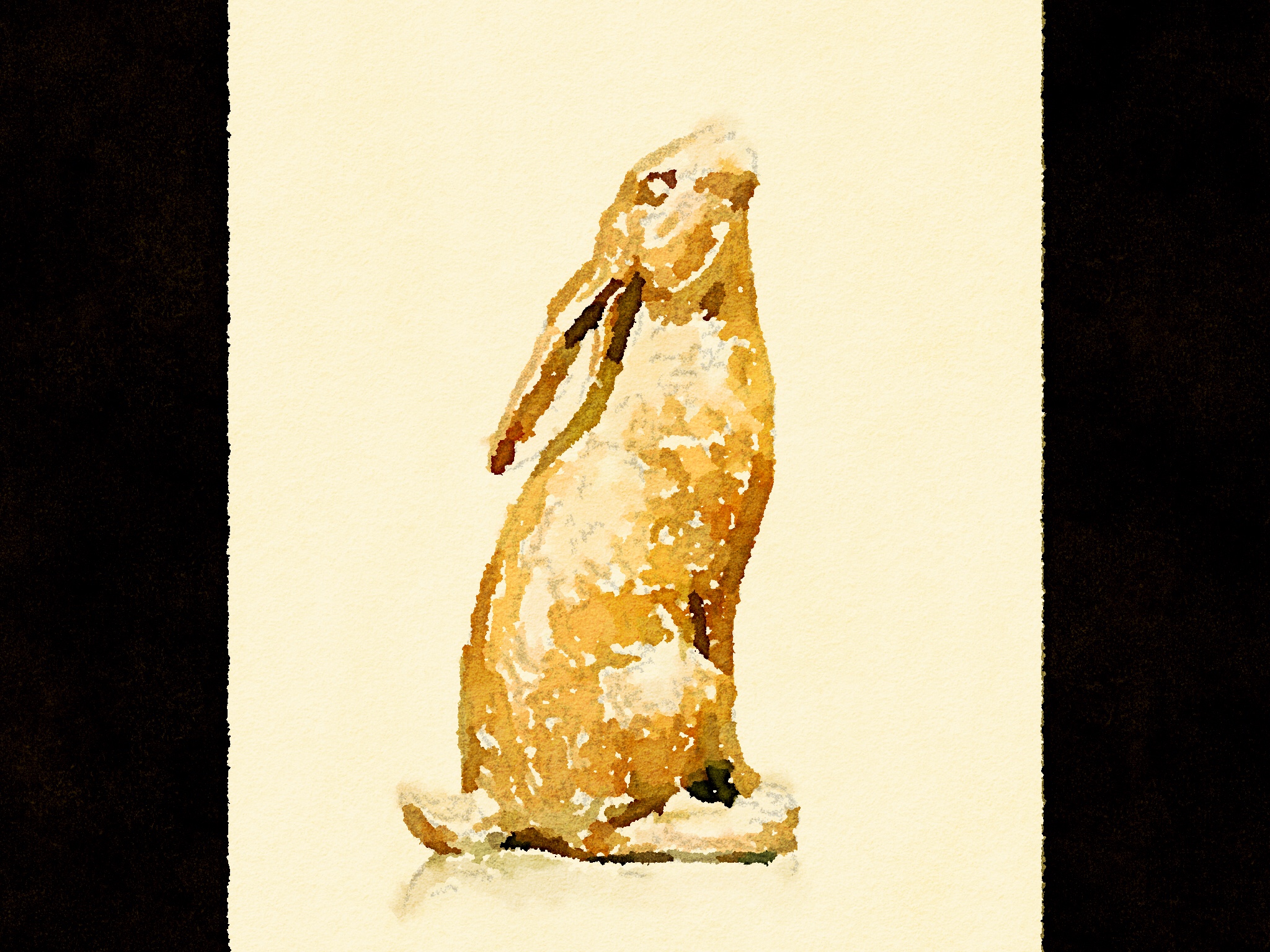
The hare has been seen a sacred image by Pagans, symbolising our relationship with the land, and the image of the hare gazing at the moon can be based on fact, as they are frequently seen at twilight or early morning. If a hare is seen gazing at the moon the belief was that it would bring growth rebirth and abundance, new beginnings and good fortune.. a fitting image for March.
 Julie Newman, visual artist
Leave a comment